
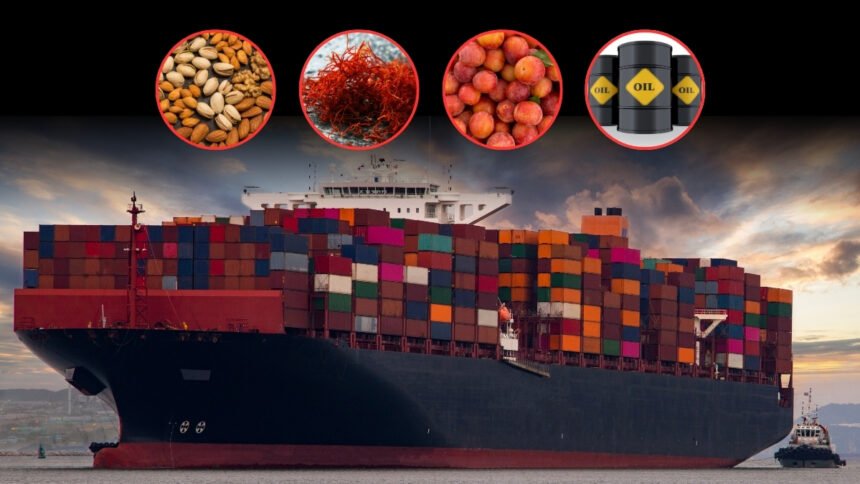
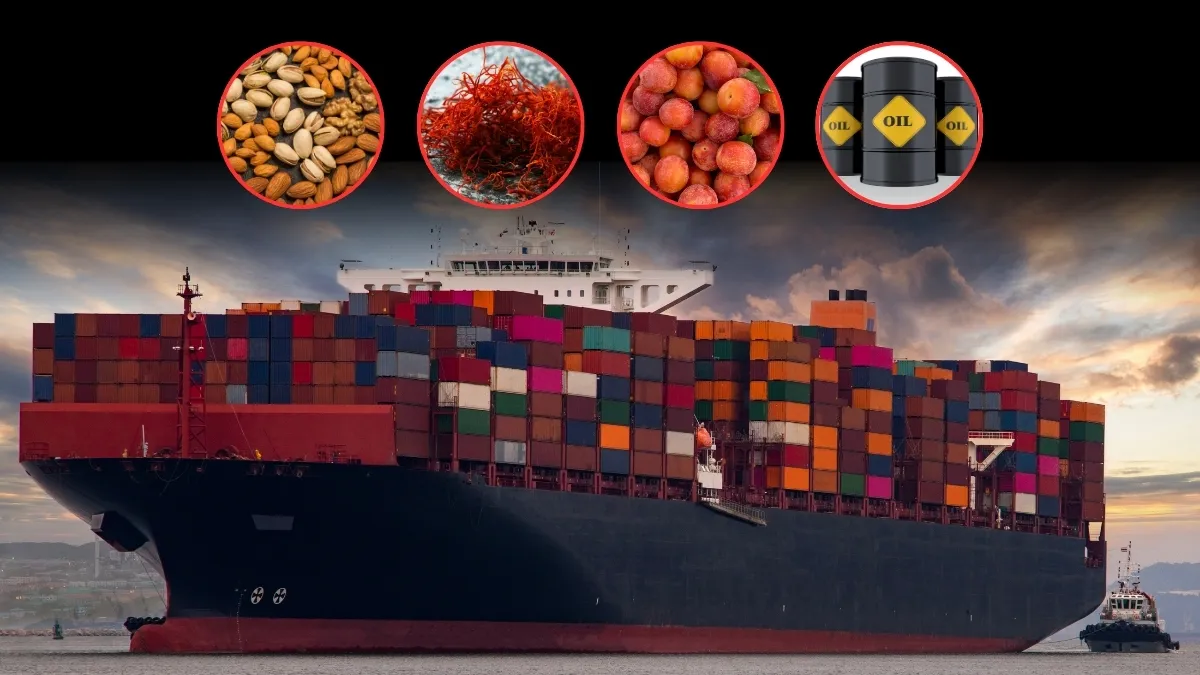
The increasing tension in West Asia is not limited to the sound of bullets on the border, its impact can reach the kitchens and pockets of India thousands of kilometers away. The recent military tension between Iran and Israel has increased uncertainty in the global market. India and Iran have decades-old trade relations, so the situation there can have a direct or indirect impact on the Indian economy and the common man.
What does India demand from Iran?
- Dry Fruits: Almonds, pistachios, dates, raisins and walnuts come to India in large quantities from Iran. Their demand increases further during festivals and wedding seasons.
- Saffron: The world’s best saffron is produced in Iran. India is among its big importers.
- Chemicals and fertilizers: Fertilizers and some organic chemicals necessary for farming are also imported from Iran.
- fresh fruits: Fruits like apple, kiwi and plum also reach Indian markets from Iran.
- Bitumen and other raw materials: Asphalt (bitumen), sulfur and some mineral products used in road construction are also imported.
Real Concern: Oil and the Strait of Hormuz
The geographical location of Iran is very important. It is located near the Strait of Hormuz. This sea route is the main route for the supply of about 20% of the world’s crude oil. India sources a major part of its total crude oil from Saudi Arabia, Iraq and UAE, and this oil comes through this route. If this route is disrupted as tensions rise, global oil prices could rise sharply. Even if India is not buying oil directly from Iran, petrol and diesel may become expensive due to supply chain disruption.
Possible impact on the common man’s pocket
1. Petrol-diesel expensive: Due to increase in the price of oil, transportation expenses will increase, which will affect everything from vegetables to everyday goods.
2. Expensive Dry Fruits and Fruits: If imports are affected, the prices of pistachios, almonds and saffron may increase in the market.
3. Inflationary pressure: Increase in the price of fertilizers and chemicals can increase the cost of farming, due to which food grains can become expensive.
Latest Business News