
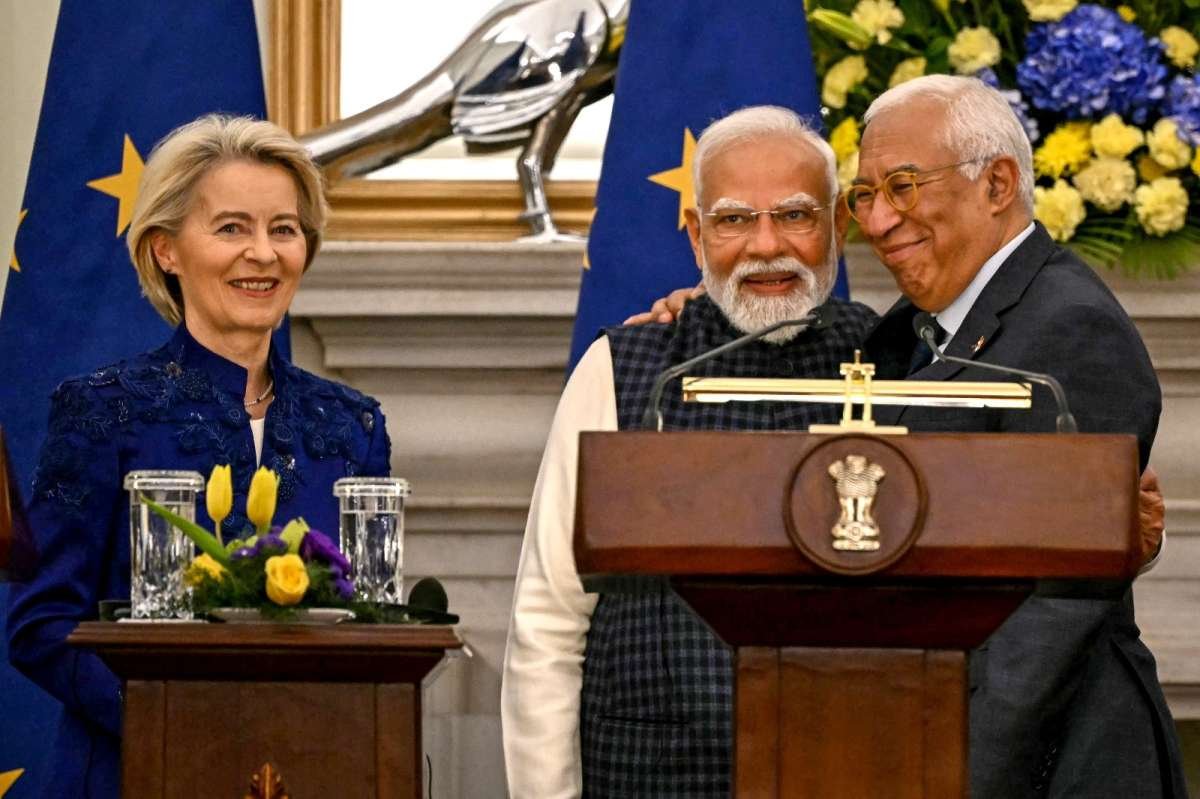
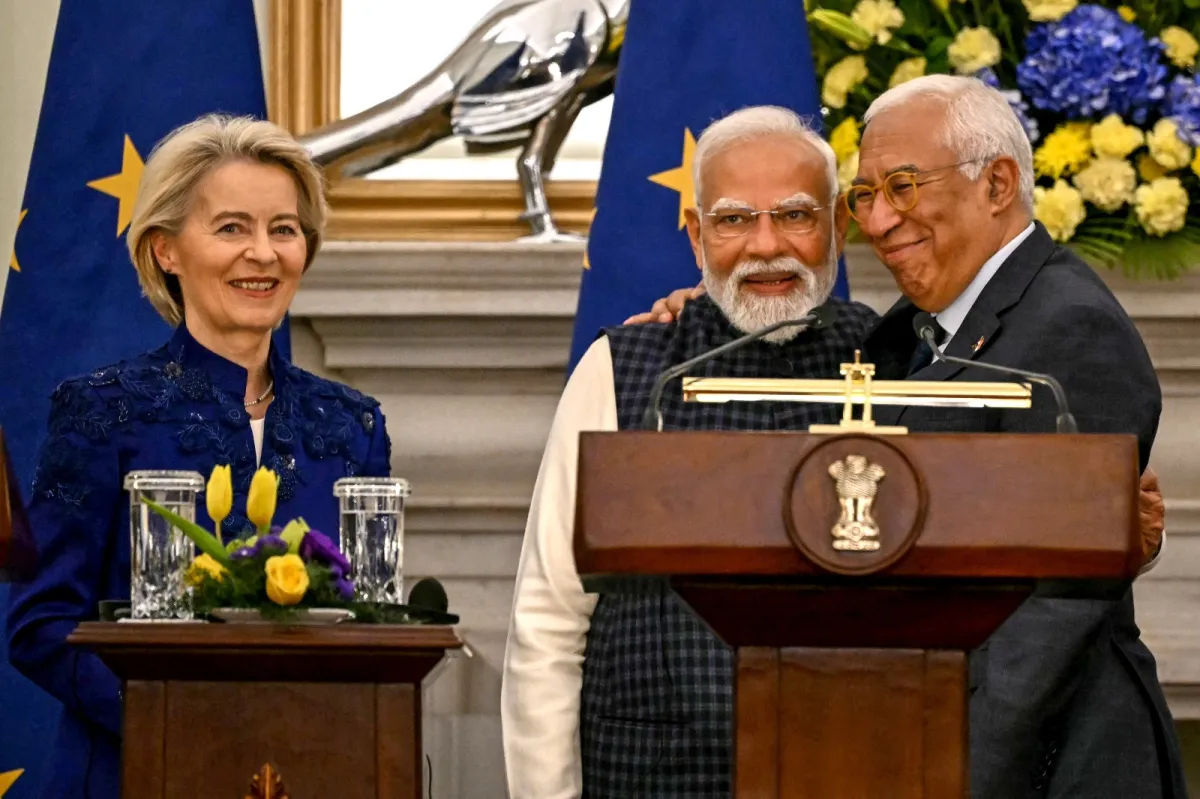
India and the European Union (EU) on Tuesday completed negotiations on a historic, ambitious and commercially significant Free Trade Agreement (FTA). This is the largest trade agreement signed by both sides so far. At a time when the global economy is facing multiple challenges and rising geopolitical tensions, the deal reflects India and the EU’s shared commitment to economic openness and rules-based global trade.
What will Indian buyers get cheaper?
Industrial and technical products will be cheaper
- Chemicals: Import duties of up to 22% on chemical products coming from the EU will be abolished in most cases, making a wider product range cheaper.
- Machinery: Tariffs as high as 44% on European machinery will be largely eliminated. This will reduce the cost of capital goods and industrial inputs.
- Pharmaceuticals: Duties of up to 11% on EU pharma products will be almost completely abolished.
- Medical and surgical equipment: About 90% of optical, medical and surgical equipment will become duty-free, which is expected to reduce healthcare expenditure.
- Aircraft and Spacecraft: Tariffs on almost all products in this category will be abolished, which will provide major benefits to the aviation and space sector.
Relief in automobile sector also
European cars: Tariffs on cars coming from the EU will be reduced to 10% in a phased manner. This facility will be available under the quota of 2.5 lakh vehicles annually, due to which premium imported cars can become more affordable than before.
Impact on food items also
- Tariffs on olive oil, margarine and select vegetable oils will be reduced or eliminated altogether.
- Import duty on fruit juices and processed food products will be removed.
- Tariff on beer will be reduced to 50%.
- Duty on wine will come down to the range of 20–30%.
impact on total trade
Under this agreement, low or zero tariffs will be applicable on more than 90% of EU exported products to India. It is estimated that this will save European exporters approximately €4 billion annually, which is likely to directly benefit Indian consumers and domestic industries in the form of cheaper prices and better input costs.
India-EU trade worth more than 180 billion euros annually
Currently, trade between India and the EU is worth more than 180 billion euros annually, supporting approximately 8 lakh EU jobs. Under this agreement, tariffs on 96.6% of EU products in India will be reduced or eliminated, which is expected to double EU exports to India by 2032. The tariff cuts are expected to generate annual duty savings of around 4 billion euros on European products.
India’s biggest trade concession ever
This agreement is the largest trade concession ever given by India to any trade partner. This will give EU industrial and agri-food companies exclusive access to the world’s fastest growing market, with a population of 1.45 billion and a GDP of around 3.4 trillion euros.
European companies will get big benefits
- India has given tariff concessions to the EU that no other partner has received.
- Tariff on cars reduced from 110% to 10% in a phased manner
- Complete elimination of tariffs on auto parts (in 5–10 years)
- Most tariffs on machinery (44%), chemicals (22%) and pharma (11%) are eliminated.
- A separate chapter has been set up for small and medium European businesses (SMEs) so that they can take full advantage of the new export possibilities.
- Both sides will set up dedicated helpdesks and contact points for SMEs.
- Major reduction in tariffs on agri-food products
- Under the agreement, India’s tariffs on EU agricultural and food products will be reduced or eliminated on an average by more than 36%.
- Tariff on wine reduced from 150% to 75% first and later to 20%
- Tariff on olive oil reduced from 45% to zero (in 5 years)
- Up to 50% tariff on processed foods like bread and confectionery abolished
- However, the EU’s sensitive agricultural sectors (beef, chicken, rice and sugar) have been fully protected and Indian imports will continue to be subject to strict EU health and food safety rules.
Latest Business News