
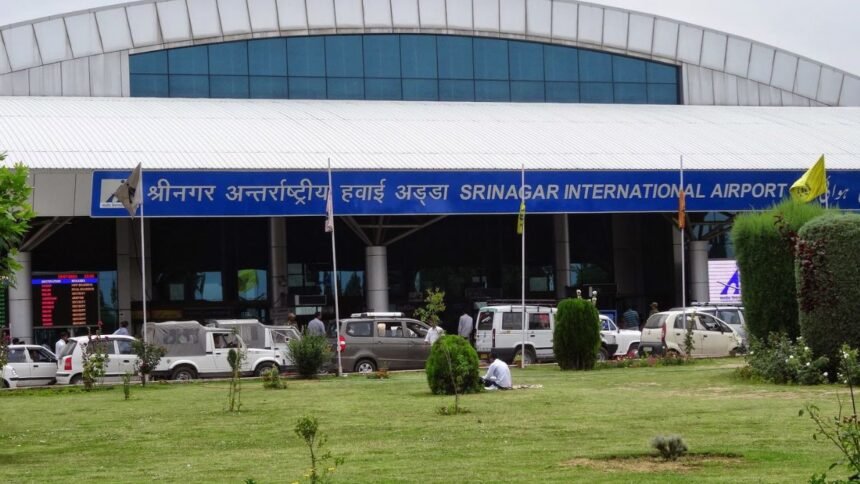
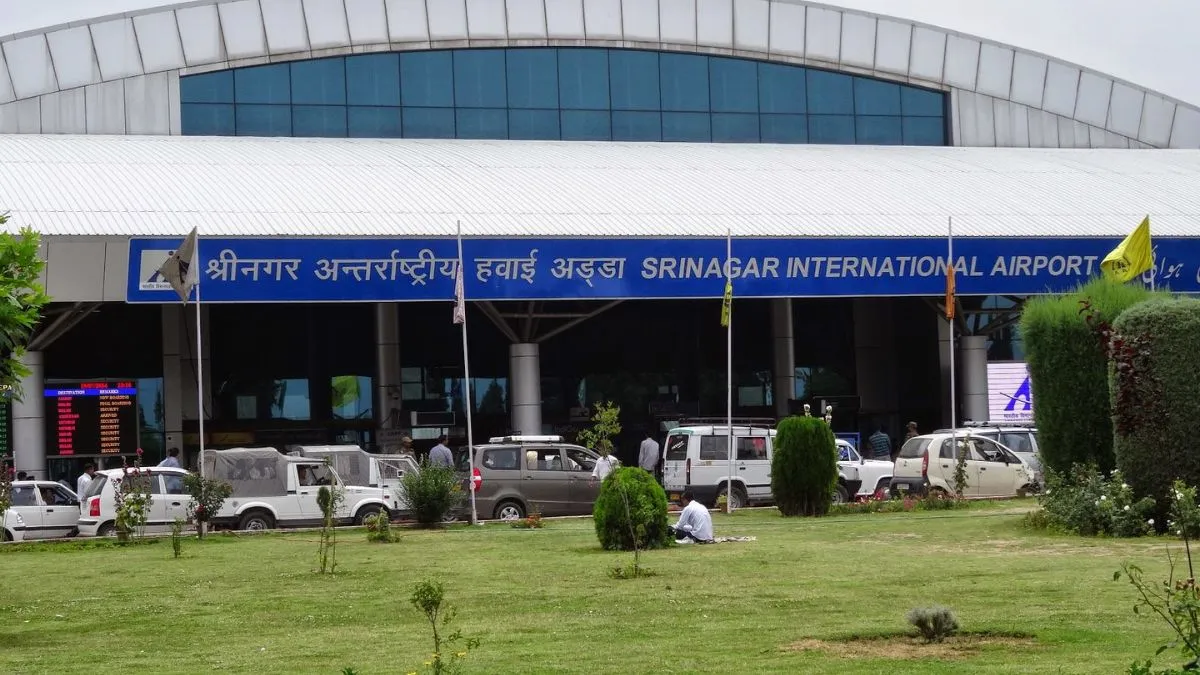
The air connectivity of Kashmir valley is going to get a new flight. The Central Government has approved the expansion of the Civil Enclave of Srinagar International Airport. This project, to be built at a cost of about ₹ 1677 crore, will not only provide modern terminal facilities, but will also create new opportunities for tourism, investment and employment. This decision was taken in the meeting of the Cabinet Committee on Economic Affairs (CCEA) chaired by Prime Minister Narendra Modi, information about which was given by Union Minister Ashwini Vaishnav.
State-of-the-art terminal will be built on 73 acres
The civil enclave spread over 73.18 acres at Srinagar International Airport will be expanded. A state-of-the-art terminal building of 71,500 square meters will be built here, which will also include the existing structure of 20,659 square meters. The new terminal will be capable of handling 2900 passengers at peak hours and will be equipped with a carrying capacity of 1 crore passengers per annum (MPPA). This will help in meeting the increasing demand for air travel in the valley.
Aircraft parking and multi-level parking facilities
Now parking space for 15 aircraft will be made at the airport. There will also be separate space for large (wide-body) aircraft. Multi-level parking for 1,000 vehicles will also be built for the convenience of passengers. As before, the 3,658 meter long runway will be handled by the Indian Air Force. This airport is located inside Budgam Airbase and is operated by the Airports Authority of India.
Tourist places will get direct benefit
The government believes that the airport expansion will make access to major tourist destinations like Dal Lake, Shankaracharya Temple and Mughal Gardens easier. Better connectivity will increase the number of tourists from India and abroad, which will strengthen hotel, travel and local business.
Confluence of environment and Kashmiri culture
Along with modern facilities, special attention will be given to the environment in the new terminal. There will be arrangements to collect rain water, maximum natural light will be used and local, eco-friendly materials will be used so that pollution is reduced. Additionally, the terminal’s design will also reflect Kashmir’s culture, such as the use of traditional wood carvings and local craftsmanship.
Latest Business News