
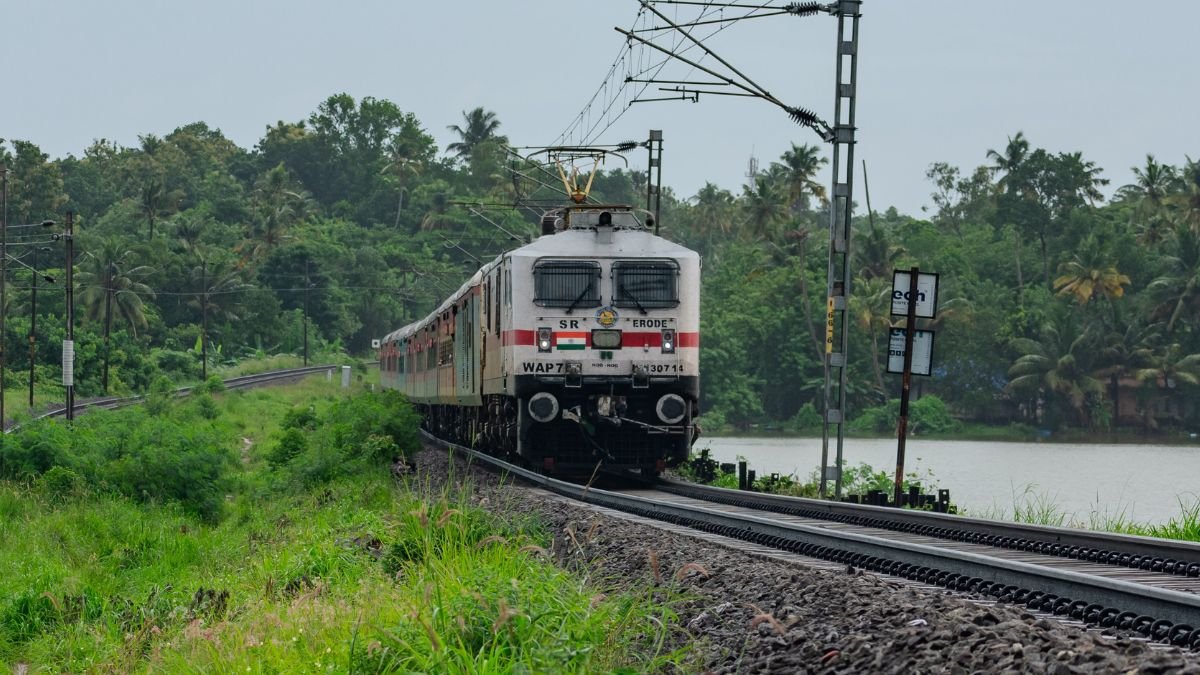
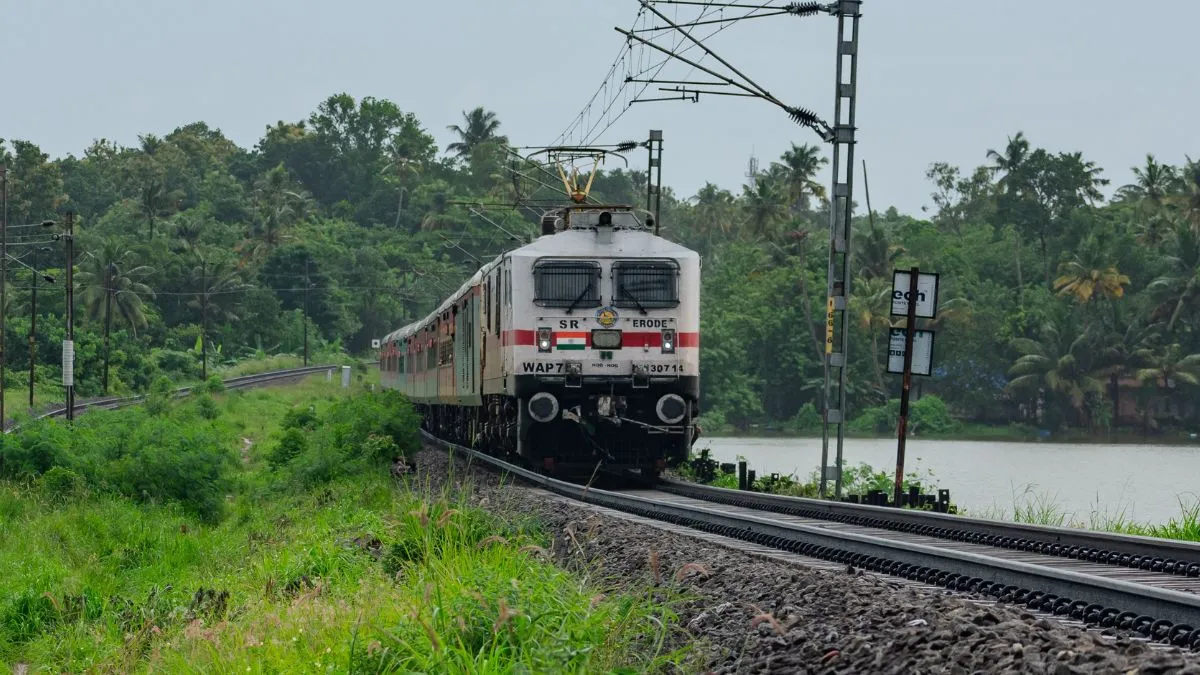
Indian Railways has decided to restart work on the long stalled 40 km long Qadian-Beas railway line in Punjab. Minister of State for Railways Ravneet Singh Bittu gave this information on Saturday. Bittu has issued instructions to officials to ‘defreeze’ the Qadian-Beas rail line project. The railway line was earlier put in the ‘freeze’ category due to alignment challenges, land acquisition hurdles and local level political complexities. Putting a project in ‘freeze’ category in Railways means stopping work on that project, because the officials are unable to work on it due to various reasons. At the same time, ‘defreezing’ the project means starting work again after all the problems are resolved.
There is no shortage of money for railway projects in Punjab
Ravneet Singh Bittu said in a statement that Prime Minister Narendra Modi, Union Home Minister Amit Shah and Railway Minister Ashwini Vaishnav have already clarified that there is no shortage of money for railway projects in Punjab. “I am trying my best to start new projects, complete stalled projects and restart projects that were stalled due to unexpected reasons. Mohali-Rajpura, Firozpur-Patti and now Qadian-Beas, I was fully aware of how important this line is,” he said. Let us tell you that Qadian is in Gurdaspur district, while Baij is located in Amritsar district.
Railways wants to start construction work as soon as possible
Minister of State for Railways Bittu said, “I have directed the officials to resolve all the problems and resume construction work. This new track will provide a significant boost to the struggling industrial units of Batala, the ‘steel city’ of Punjab.” The letter issued by the Chief Administrative Officer (Construction) of Northern Railway said, “Railway Board wishes that the Qadian-Beas line be ‘defreezed’, the detailed estimate be resubmitted and approved at the earliest, so that the construction work can start.”
The project was approved by the British government in 1929
The Qadian–Beas Rail Line Project was originally sanctioned by the British Government in 1929 and undertaken by the North-Western Railway. By 1932, about one-third of the work was completed, but later the project was abruptly stopped. Railways classified it as a “socially desirable project” and included it in the 2010 Railway Budget. However, the work was once again halted due to financial concerns raised by the then Planning Commission. Under the “Socially Desirable Projects” category, Railways focuses on inclusive growth by providing affordable, accessible transport services, even if such undertakings are not revenue-dependent.
Latest Business News