
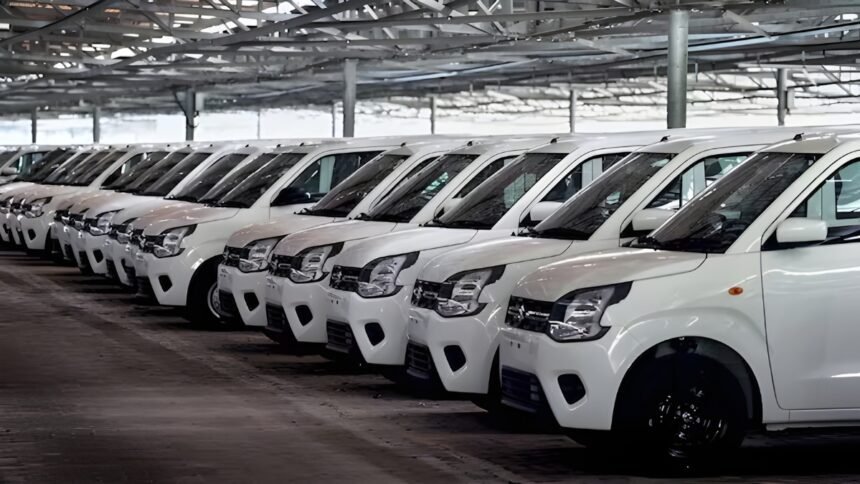
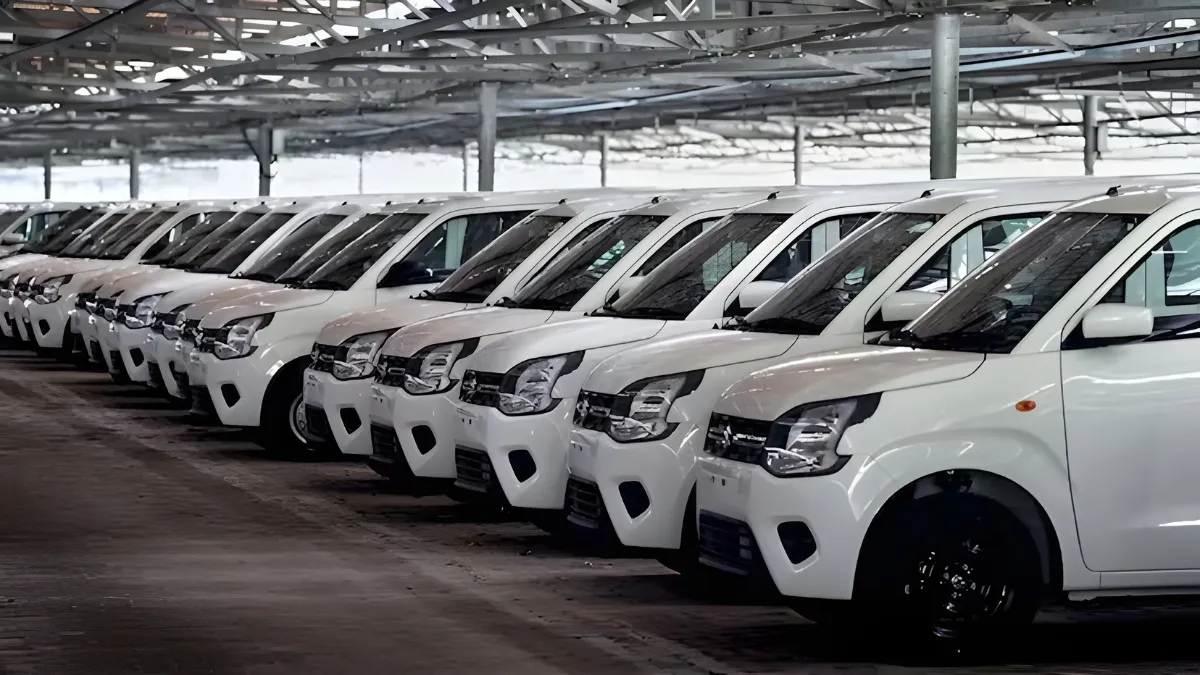
There has been a major policy shock in India’s auto industry. The government has removed the concession related to the upcoming fuel efficiency rules, which was to be given to small and light petrol cars. After this decision, the long-running debate between car companies has come to an end, but the turmoil in the industry has intensified. Especially now every automaker will have to bet more seriously on electric and hybrid vehicles.
The government’s draft released in September proposed relaxing fuel efficiency rules for petrol cars weighing 909 kg or less. It was believed that Maruti Suzuki would get the maximum benefit from this discount, which has about 95% share in the small car segment. Many companies including Tata Motors and Mahindra & Mahindra had raised objections regarding this. He said that this rule will unbalance the competition and will benefit only one company. Now the Power Ministry has completely removed this proposed exemption and made the rules more stringent.
What changed in the new rules?
According to the revised draft, now excessive relief will not be given on the basis of weight of the vehicle. Earlier, heavy vehicles used to get more relaxation, but now this over-compensation has been reduced. This means that companies like Tata, Mahindra will also have to improve the actual fuel efficiency of their vehicles. The government says the new rules are designed to increase “real-world efficiency” and not just paper figures.
Emphasis will increase on electric and hybrid
These new Corporate Average Fuel Efficiency (CAFE) rules will come into effect from April 2027 and will remain in effect for the next five years. Under these, auto companies will have to reduce the average emissions of their entire car fleet. The government is also introducing a credit system to promote electric and plug-in hybrid cars. Companies that sell more EVs and hybrids will get additional profits. At the same time, if the rules are not followed, a fine of up to $ 550 per car can be imposed.
Why was this change necessary?
About 12% of the total energy consumption in India comes from the transport sector and passenger vehicles are the largest contributor. The government aims to reduce average car emissions from 114 grams per km to 100 grams per km by March 2032. If EV share reaches 11%, this figure can even go up to 76 grams per km.
The way forward for the auto industry
After this decision, it is clear that now no company will be able to escape the rules just by making small or light cars. In the coming years, electric, hybrid and alternative fuel vehicles will decide the direction of the auto industry. With the ‘fun’ of small cars over, the real competition will now be on technology and sustainable mobility.
Latest Business News